
In the ever-evolving landscape of the energy sector, a revolutionary force is steering the industry toward a more sustainable future — the integration of hybrid solutions. As the world grapples with the imperative of balancing energy demands and environmental preservation, the concept of combining traditional and renewable energy sources has emerged as a beacon of innovation. In this blog, we embark on a comprehensive exploration, taking a deep dive into the realm of hybrid solutions within the energy industry, with a particular focus on the challenges and opportunities they present.
Within the realm of the energy sector, the focus of this blog remains the upstream oil and gas industry, which today stands at a pivotal juncture. Driven by the imperative of sustainability and an unwavering commitment to operational efficiency, a transformative wave is sweeping through the industry—ushering in the era of hybrid solutions. These pioneering approaches, seamlessly blending conventional and renewable energy sources, herald a new beginning for an industry grappling with a wide array of challenges and at the same time, a vista of untapped opportunities.
Hybrid solutions within the upstream oil and gas sector represent the strategic fusion of conventional fossil fuels with the renewable energy sources. This synergistic alliance enables companies to leverage the strengths of both worlds, optimizing production efficiency while concurrently mitigating environmental impact. These hybrid systems encompass the strong foundations of traditional oil and gas infrastructure entwined with the cutting-edge technologies of renewable energy, including solar and wind power, and innovative energy storage systems.
Technological integration
The union of established fossil fuel technologies with their renewable counterparts presents a formidable technological conundrum. The integration of existing oil and gas infrastructure with avant-garde renewable solutions necessitates substantial investment and a profound reservoir of expertise. Compatibility issues, technological disjunctions, and the imperative for bespoke solutions often impede the seamless integration process.
Operational complexity
The incorporation of hybrid systems introduces a range of complexities to operational management. The orchestration of the diverse components within a hybrid ecosystem demands the deployment of advanced control systems and sophisticated algorithms to optimize performance. This operational complexity can strain extant frameworks and mandate intensive training regimens for the personnel working in the energy sector.
Navigating regulatory environments
The regulatory landscape governing hybrid solutions is still crystallizing. Governments worldwide are grappling with the intricate task of legislating and incentivizing these innovative systems. Companies pioneering hybrid solutions find themselves navigating a complex regulatory maze, with compliance uncertainties potentially stalling project fruition.
Championing environmental causes
Hybrid solutions emerge as a formidable instrument for the industry to champion environmental leadership. By incorporating renewable energy sources, companies can substantially diminish their carbon footprint. This not only aligns with global endeavors to combat climate change but also positions these firms as leaders in transitioning the world to renewable energy.
Achieving cost-efficiencies
A paramount advantage inherent in hybrid solutions is their potential for cost efficiency. Through the strategic integration of renewable energy sources, companies can offset operational costs associated with traditional fossil fuel extraction. Additionally, the optimization of energy consumption through state-of-the-art technologies can propel an overall enhancement in operational efficiency.
Diversifying energy streams
Hybrid solutions usher in an era of diversified energy sources, mitigating dependence on finite fossil fuel reservoirs. This diversification amplifies energy security, rendering companies more resilient to the volatilities of oil and gas prices. Moreover, it insulates operations against potential resource shortages, fostering a robust and sustainable energy ecosystem.
Cultivating community and stakeholder relationships
The adoption of hybrid solutions serves as a potent vehicle for enhancing a company’s reputation and fortifying its relationship with local communities and stakeholders. By demonstrating a steadfast commitment to sustainable practices, oil and gas firms can cultivate positive public sentiment and attract socially responsible investors, thus establishing themselves as key contributors to societal well-being.
As the upstream oil and gas industry embarks on the journey of the energy transition, hybrid solutions emerge as a means to achieve the major milestones along the way. While challenges persist in the form of technological integration, operational complexity, and regulatory uncertainties, the opportunities inherent in these pioneering approaches are equally compelling. Environmental leadership, cost-efficiency optimization, energy stream diversification, and heightened stakeholder engagement collectively underscore the transformative potential of hybrid solutions in shaping the future narrative of the upstream oil and gas industry. As the sector further immerses itself in these hybrid endeavors, finding the balance between tradition and innovation could indeed open the door to a sustainable and thriving future.
Read Also- Effective Strategies for Managing Risk in the Oil and Gas Industry
By Get global | September 9, 2026
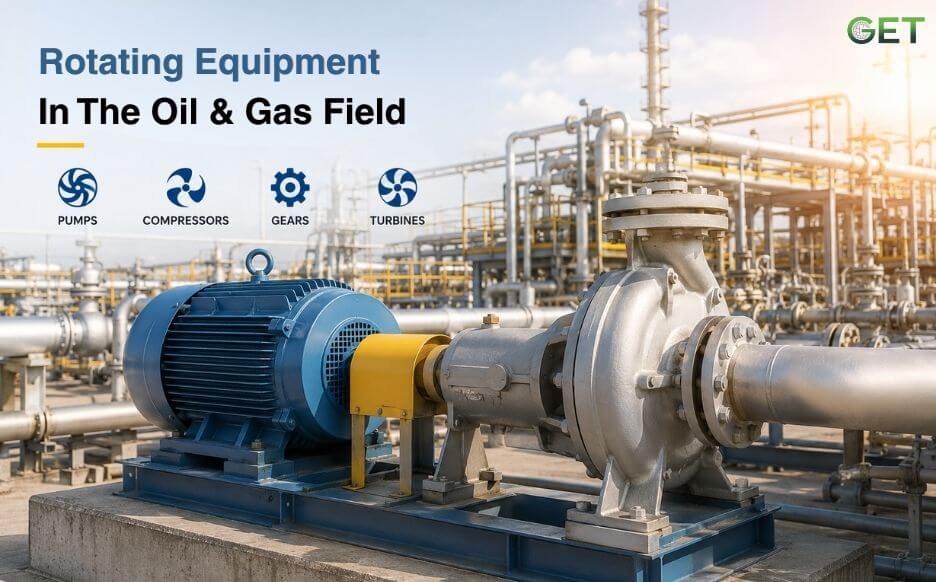
Walk onto any rig floor, production platform, or gas processing plant, and the first thing you notice isn’t the pipework – it’s the sound. That low, constant hum coming from somewhere in the facility is almost always rotating equipment doing its job. Pumps pushing fluid through miles of pipeline. Compressors […]

By Get global | September 9, 2026

By Get global | September 9, 2026
An offshore rig losing production can bleed staggering sums for every hour it sits idle. On the other end of the same industry, a well-run inspection or maintenance contract just keeps collecting steady, contract-locked revenue for a decade, without ever touching a barrel of crude. Same industry. Same oil underneath […]

By Get global | September 9, 2026

By Get global | September 9, 2026